
- The Platino Empleo and Platino Educa sessions focus on the new professional profiles demanded by the industry and on gender inequality: a study on Colombia reveals that women represent 30.1% of the audiovisual sector, compared with 38% in Spain and 39.5% in Mexico.
- Publishers, platforms and studios analyse the keys to transforming literary works into audiovisual productions, while the presentation of the documentary series “The Industry of Stories” revisits the experiences and lessons from six editions of Iberseries & Platino Industria.
- The 5th Co-Production and Financing Forum brings together series and feature film projects in advanced development in Madrid, with the aim of facilitating access to financing, strategic partners and international agreements. The selection is completed by guest projects resulting from agreements with markets and festivals.
The sixth edition of Iberseries & Platino Industria has come to an end at Matadero Madrid after four days of professional meetings, debates and project presentations that have once again positioned the Spanish capital as a connection point for the leading players in the Ibero-American audiovisual industry. The final day reflected some of the major transformations currently reshaping the sector, from the incorporation of new technologies and the evolution of production models to the search for formulas that can expand opportunities for the development, financing and international circulation of content.
The industry is facing a scenario in which technological innovation, the training of new talent and diversity are emerging as fundamental elements for its growth. The ability to anticipate change, incorporate new skills and foster more balanced participation across different professional fields has been a recurring theme throughout the day’s discussions, which also highlighted the importance of strengthening ties between creative sectors such as publishing and audiovisual, which, although they share stories and audiences, still need to find common languages and spaces for collaboration.
As part of this commitment to developing new productions, the 5th Co-Production and Financing Forum brought together 20 series and feature film projects from 14 countries, in addition to three guest projects through agreements with international markets and festivals. The forum is consolidating its position as a space that connects creators and producers with potential partners, investors, distributors and platforms at a decisive stage for the viability of their projects. The diversity of origins, genres and narrative proposals reflects the breadth of a market seeking to strengthen alliances between Europe, Latin America, the United States and Asia, and to help stories find the resources and distribution channels they need to reach audiences.
The audiovisual sector calls for training to adapt to the new professions driven by AI and technology at a Platino Empleo session
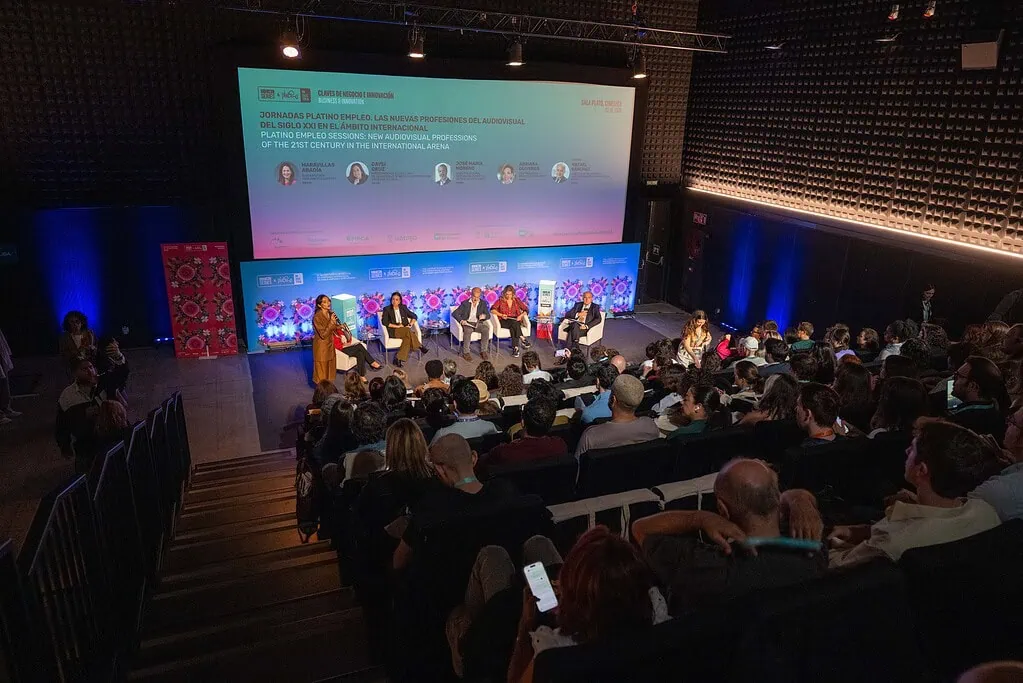
The need to adapt education systems to the new demands of the audiovisual, animation and video game industries, as well as the impact of artificial intelligence on job creation, were at the heart of the session “The new audiovisual professions of the 21st century in the international arena”, held as part of the Platino Empleo Sessions during the fourth and final day of Iberseries & Platino Industria. Participants agreed on the importance of promoting specialisation, incorporating new technological skills and updating training to respond to the transformation of the sector.
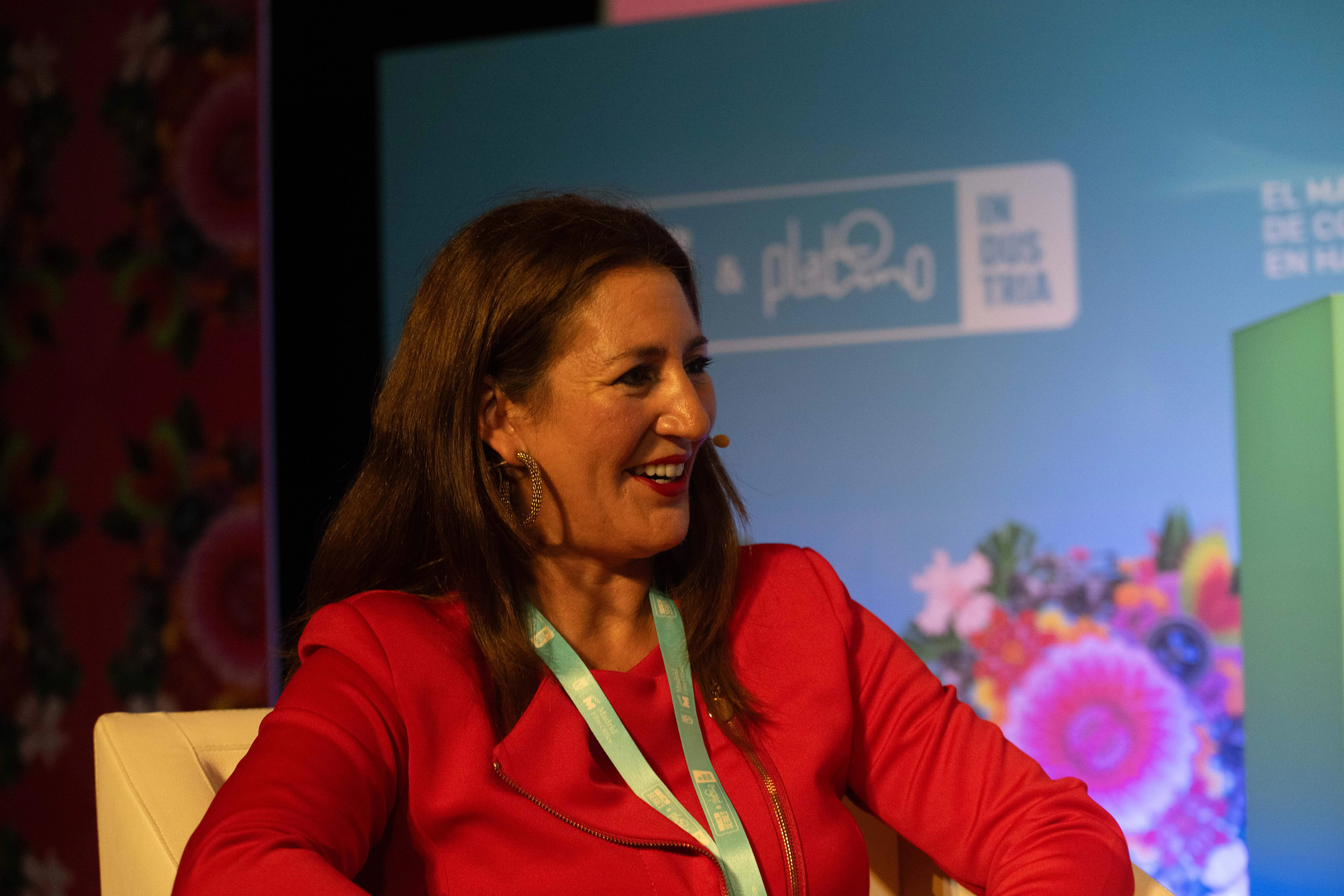
Maravillas Abadía, from the European Parliament, warned that technological development is advancing faster than education systems, creating a disconnect between professionals’ training and the real needs of companies. “The risk we are running is that we are training professionals based on yesterday’s needs to fill positions with tomorrow’s expectations,” she said. In this regard, she stressed that tools that are initially experimental can be incorporated into standard production processes in a very short time, requiring greater adaptability from European training programmes.
From the animation sector, Daysi Cruz, president of Women in the Animation Industry (MIA) and Director of Business Development and Production at Morgana Studios, acknowledged professionals’ initial resistance to the arrival of artificial intelligence due to fears of losing their jobs. However, she argued that these tools always require human intervention and can help improve creative processes. Cruz stressed the need for professionals who are open to new technologies and for progress in their regulation, viewing AI as a tool to support work rather than as a replacement for creators.
For his part, José María Moreno, Managing Director of the Spanish Video Game Association (AEVI), highlighted the emergence of new professions and the adaptation of traditional profiles in an industry whose projects are increasingly international in scope. Moreno noted that specialisation will be one of the main differentiating factors for professionals in the sector, while stressing that, despite the rise of artificial intelligence, creativity and the ability to work as a team will remain fundamental skills.
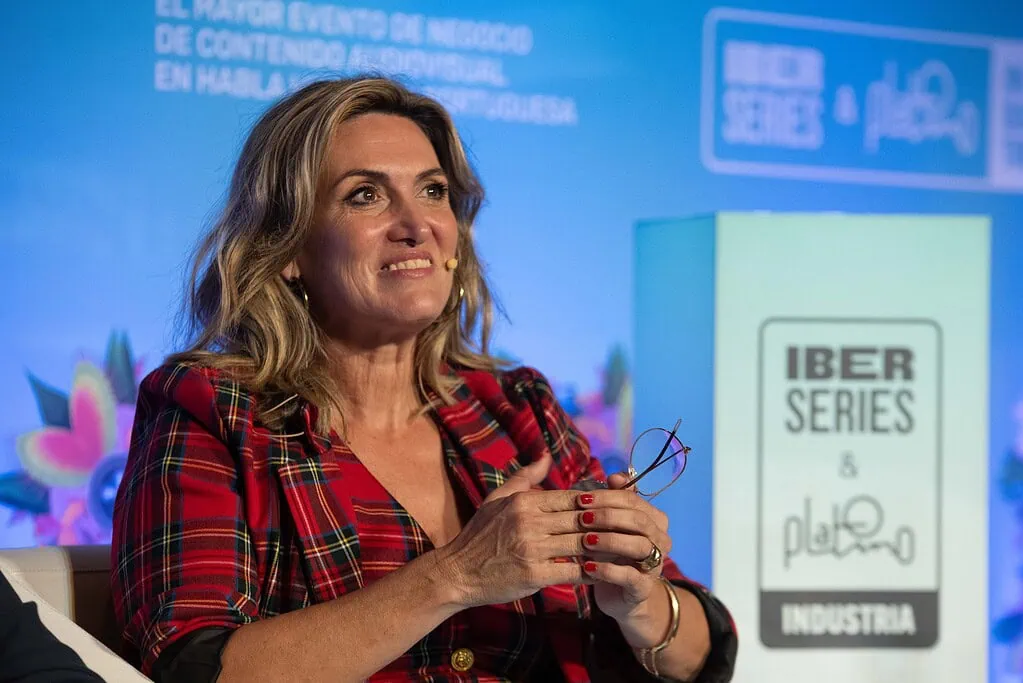
Adriana Oliveros, Vice President of Spain Film Commission, advocated integrating new professions into every stage of the audiovisual industry and advancing their recognition and regulation. She compared the sector to a large orchestra to which new instruments are being added, but in which it is essential for everyone to play in a coordinated manner. The panel, moderated by Rafael Sánchez, Director of Institutional Relations and Communications at EGEDA, highlighted the importance of connecting training, technological innovation and employment in order to address the challenges facing the audiovisual sector in the 21st century.
A study presented at the Platino Educa session reveals that women hold only 30.1% of jobs in the Colombian audiovisual industry
Women’s participation in the Colombian audiovisual industry stands at 30.1%, a figure still below the levels recorded in Spain (38%) and Mexico (39.5%), according to a study presented at the Platino Educa session, organised by EGEDA together with the Chair in Film, Women and Education (CIMUED) at Nebrija University, during the fourth day of the sixth edition of Iberseries & Platino Industria. The research, carried out by a scientific consortium comprising Nebrija University, Universidad del Norte in Barranquilla and Universidad de La Sabana in Bogotá, analyses the presence of women across the sector’s different professions and identifies the areas in which equal-opportunity policies need to be promoted.
Mercedes Herrero, a researcher at the CIMUED Chair at Nebrija University, presented the main findings of the report, which reveals that women predominate only in professions linked to aesthetics and organisation, while their presence in leadership positions remains limited. Of the 54 feature films analysed, only seven have a woman as sole director. The study also identifies a greater presence of female directors in documentary projects than in fiction works, six compared with three respectively, and notes that films directed by women tend to feature strong female protagonists linked to stories of advocacy, memory and connection with their communities.
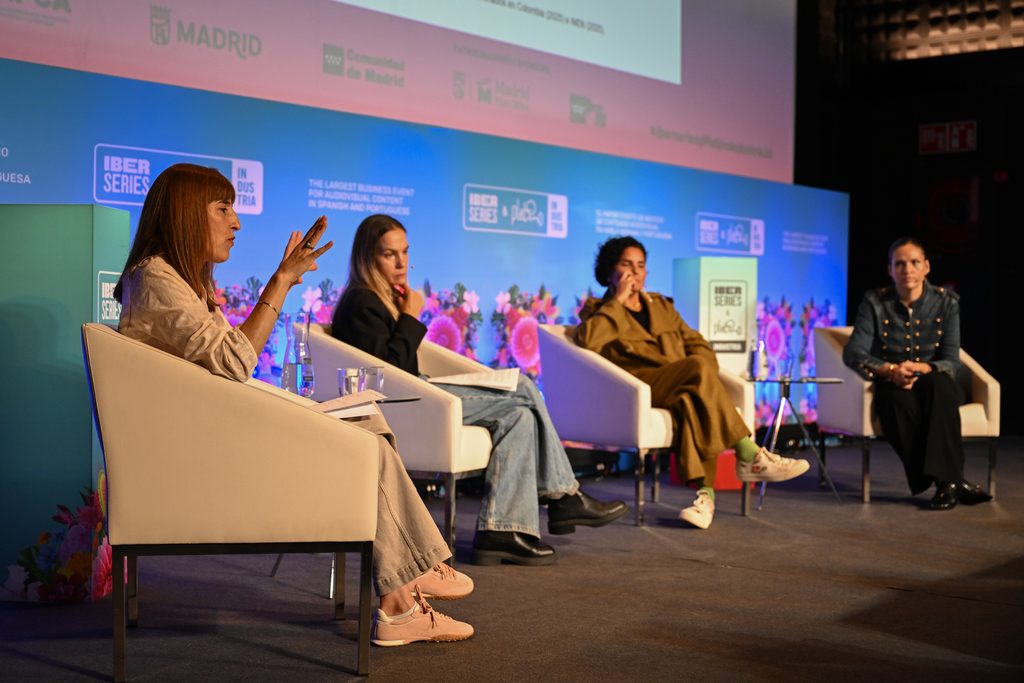
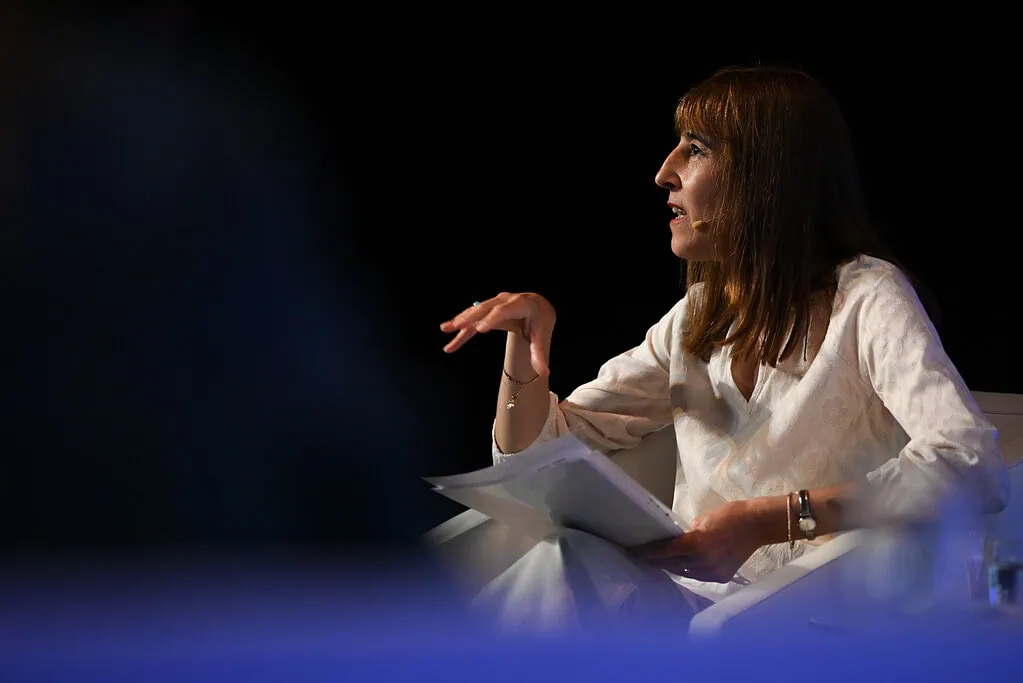
Another finding of the research is that teams led by women achieve a more balanced composition, with greater female representation in virtually every professional category. The report also observes that directing, screenwriting and production responsibilities tend to be concentrated in the same professional, a circumstance that highlights the particularities of women’s access to spaces of creation and decision-making within the Colombian film industry.
The session also featured Colombian director Liliana Bocanegra, who spoke with Rocío Gago, a researcher at the CIMUED Chair, about women’s presence in the audiovisual industry. Bocanegra has more than two decades of international experience and has directed productions including “La reina del Flow”, “La esclava blanca”, “Siempre bruja”, “Si lo hubiera sabido” and “La Moderna”. Her recent work includes the second season of “Medusa” for Netflix and the feature film “Valentina” for Prime Video.
The event, moderated by Marta Saavedra, Director of the CIMUED Chair, focused on the need to promote measures that facilitate women’s access to all professional areas and, especially, to leadership and decision-making positions in the Colombian audiovisual industry.
Publishers and platforms seek distinctive stories to drive new audiovisual adaptations
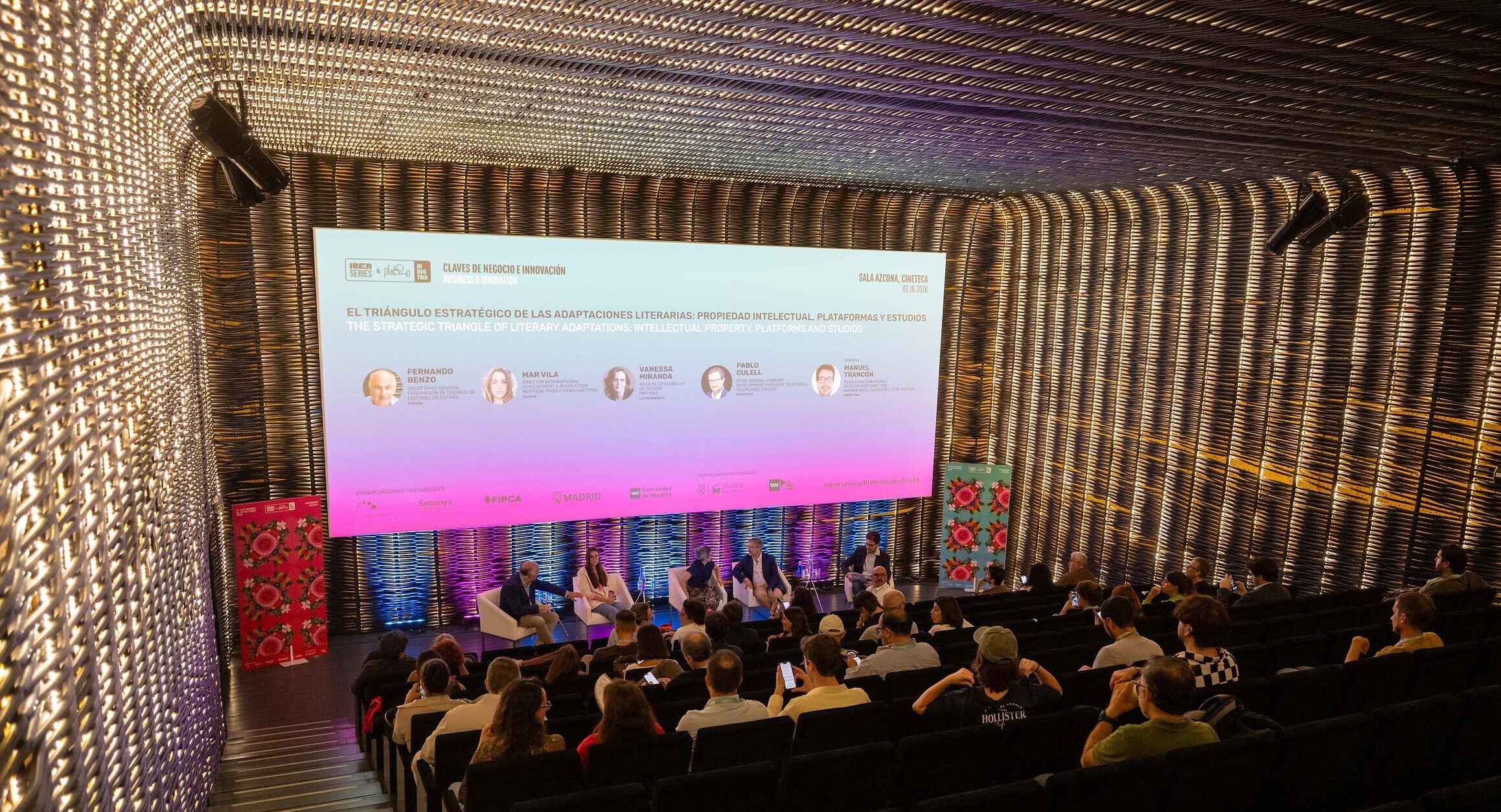
The need to bring publishing language closer to the audiovisual industry and to identify stories with strong characters, compelling plots and distinctive elements was at the heart of the panel “The strategic triangle of literary adaptations: intellectual property, platforms and studios”, held on the fourth day of Iberseries & Platino Industria. Representatives from the publishing sector, studios and platforms analysed the criteria that determine the potential of a literary work to become a film or series, as well as the challenges involved in collaboration between the two industries.
Fernando Benzo, Secretary General of the Federation of Publishers’ Guilds of Spain, acknowledged the difficulties publishers face in translating their works into the commercial language of the audiovisual industry. “Pitching is torture for an editor,” he said, explaining that one of the main challenges is learning how to present stories attractively to producers and platforms. “We are trying to bring these worlds closer together; we are trying to educate publishers in the language of the audiovisual world,” he said, highlighting the importance of book professionals knowing how to transform the content of a novel into a proposal with adaptation potential.
Mar Vila, Director of International Development and Production at Wattpad WEBTOON Productions, explained that character development and narrative structure are two of the fundamental elements for identifying works with audiovisual potential. In this regard, she noted that some stories have a three-act structure that makes it easier to imagine their film adaptation, while others, because of their multiple characters and storylines, are better suited to the series format. “There are even literary works where I think the language itself, the way they are written, is reminiscent of scripts; the language resembles cinematic language,” she noted.
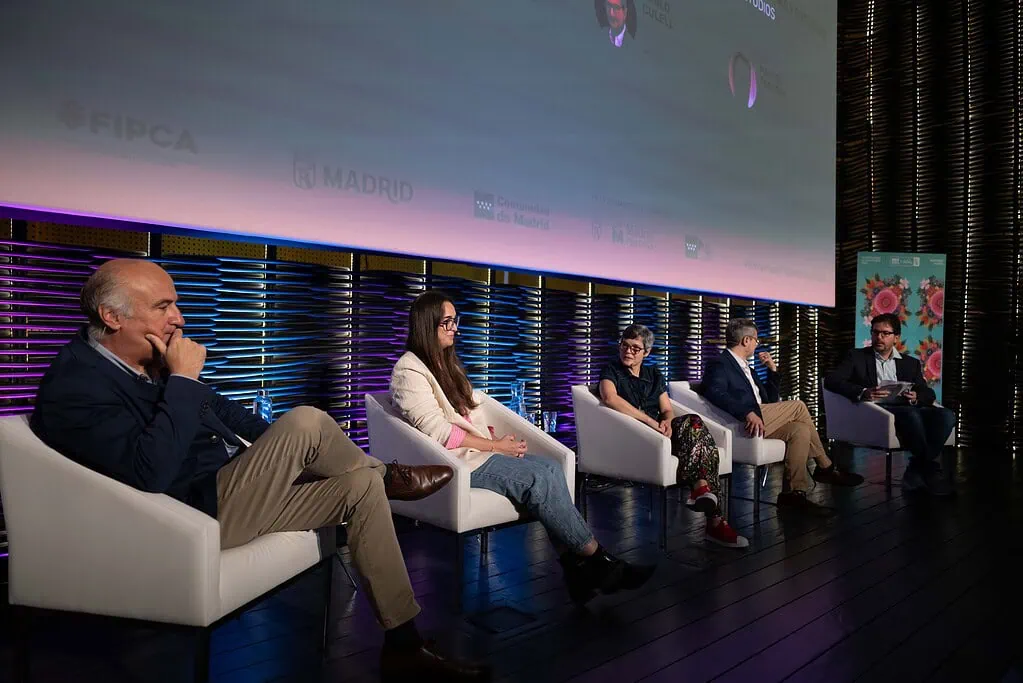
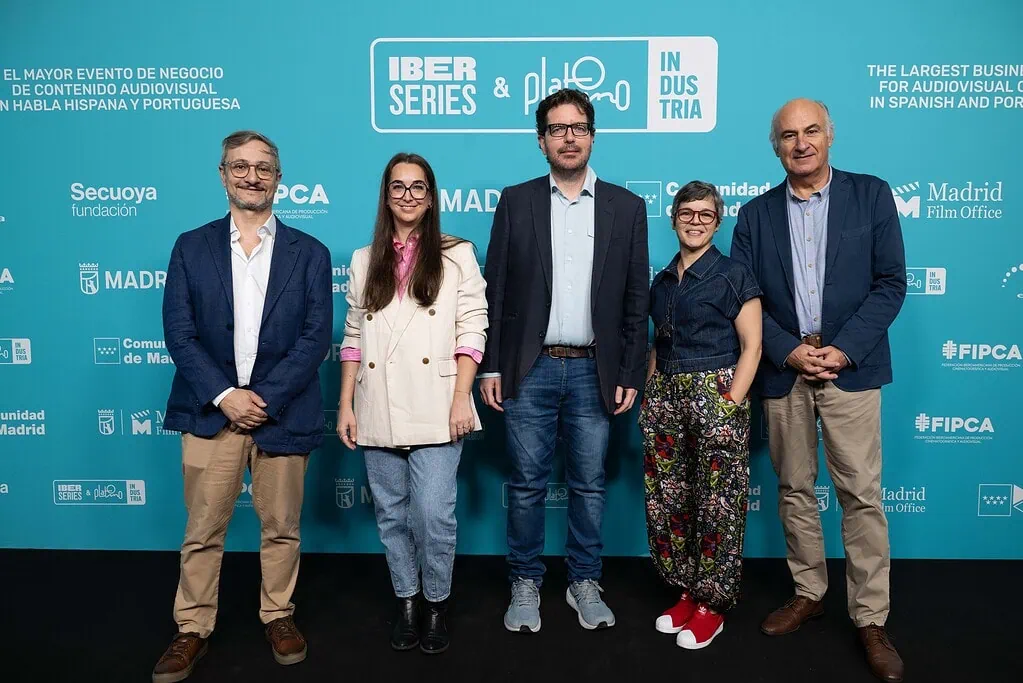
For her part, Vanessa Miranda, Head of Fiction Development at HBO Max Latin America, highlighted the importance of works offering enough narrative possibilities to develop an audiovisual production, even in the case of short books. She explained that an appealing premise can serve as a starting point for expanding storylines and building new characters, although she acknowledged that there is no formula that guarantees success. “So I don’t know whether there is a recipe; it is a little intuition and a little betting,” she said, recalling that some projects do not make it past the development stage.
Pablo Culell, Vice President of Original Content Development and Head of Teleseries at Underground Producciones, a division of Telemundo Studios, argued that the value of an adaptation lies especially in what makes the original work unique. “I think it is important to find what differentiates that novel, that material,” he said, stressing that even within heavily explored genres such as thriller or true crime, the author’s perspective can make the difference. “As I always say, it is not always what I tell, but how I am going to tell it,” he added. Culell also highlighted that story selection responds to the characteristics of each audience and exhibition window, from linear television to platforms, which may demand more disruptive content and different formats.
5th Co-Production and Financing Forum at Iberseries & Platino Industria: 20 projects from 14 countries seeking international alliances
The fifth edition of the Iberseries & Platino Industria Co-Production and Financing Forum selected 20 series and feature film projects at an advanced stage of development from 14 countries in Europe and the Americas, joined by three guest projects through agreements with international markets and festivals. The forum aims to facilitate access to financing, co-producers, platforms, distributors and investors.
Among the Spanish feature films is “Asalto”, by Emilio Martínez-Borso, a sports drama starring a muay thai champion who discovers she is pregnant just as the opportunity arises to compete for the world title, with Ángela Cervantes, Luis Zahera and Carlos Cuevas confirmed in the cast. Also taking part is “Carro Seco”, a psychological thriller by Javier Polo about a serial killer operating in Barcelona who uses pétanque as part of his crimes; “Hotel Nacional”, by Diego Corsini, a Spain-Cuba-Brazil co-production starring Jorge Perugorría and Thiago Lacerda; and “Los Ciegos”, by Horacio Alcalá, an adaptation of the work by Maurice Maeterlinck combining fantasy horror with a sensory approach, with the participation of Spanish, Belgian and Mexican production companies.
The selection also includes “Los inexpertos”, the feature-film debut of Argentina’s Felipe Solari Yrigoyen, a crime comedy set at a film-fan convention; “Mal mirada”, the debut feature of Colombia’s Cristina Sánchez Salamanca, combining family drama, comedy and body horror; and “Por qué volvías cada verano”, by Argentine director Lorena Muñoz, an adaptation of Belén López Peiró’s book about a young woman who reports the sexual abuse she suffered during childhood.
They are joined by “Preso por amar”, by Uruguay’s Beatriz Flores Silva, a drama based on real events about a court conviction and survival in prison; “Tres mujeres”, by María Eugenia Lombardi and Viviana Calò, a family satire set on the Canary Island of El Hierro; and “Vuelve siempre, Sebastiana”, the debut of Alessandro Pederzoli, a folk-horror project set in Mexico’s Chihuahua desert.
The feature-film selection is completed by the guest project “1999”, by David Casademunt, from the BIF Market of the Brussels International Fantastic Film Festival (BIFFF), a horror thriller about a man investigating whether he was subjected to an exorcism during his childhood. The projects arrive at the event at different stages of development, financing or pre-production, with objectives including completing their financial structures, bringing in new co-producing countries, closing distribution agreements and gaining access to platforms and international sales agents. The forum thus consolidates its role as a space connecting creators, producers and investors on both sides of the Atlantic.
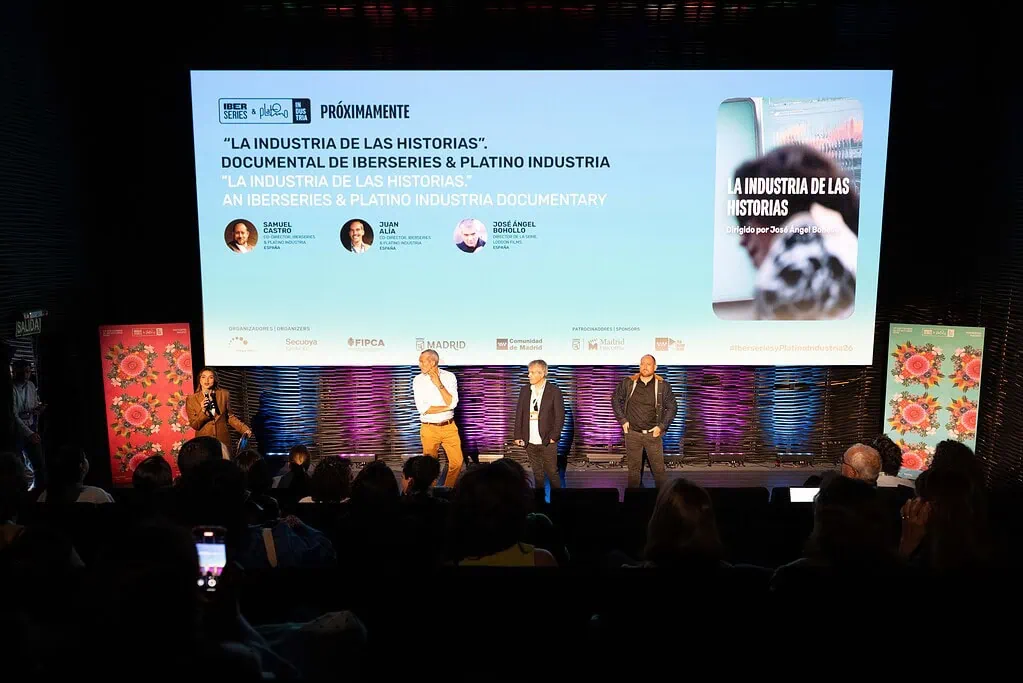
“The Industry of Stories”, a journey through six years of Iberseries & Platino Industria
The documentary series “The Industry of Stories” takes a journey through the insights, lessons, contributions and conclusions shared by the protagonists of the six editions of Iberseries & Platino Industria, creating a major compendium of knowledge, experiences and proposals for the development of the audiovisual industry in Ibero-America.
Samuel Castor and Juan Alía, co-directors of Iberseries & Platino, and José Ángel Bohollo, director of the series, from Loddon Films, presented this work, which is still in production and will comprise four episodes of around 50 minutes using archive material from the editions of the event, which brings together industry professionals every year.
Creators, producers, directors, actors, screenwriters, showrunners, executives, promoters and a large number of professionals make up the more than 100 protagonists of this work, which shows the role of each of them and of the industry as a whole in the production of audiovisual content.
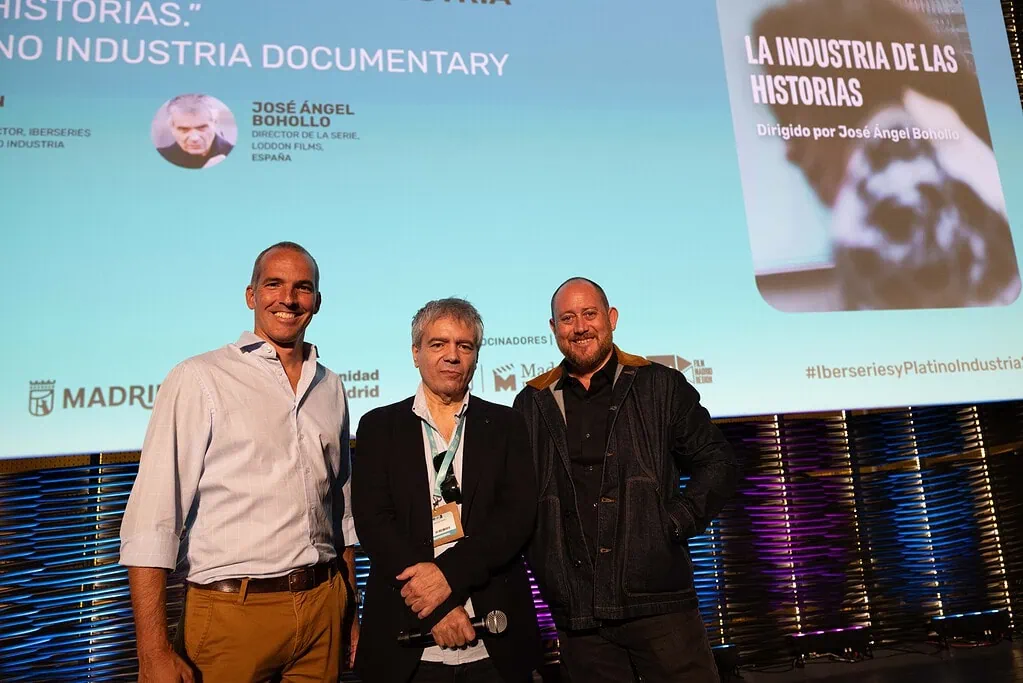
Bohollo explained that more than 230 hours have been drawn on, comprising over a thousand contributions made at the major gathering of the Ibero-American audiovisual industry. “It has been rewarding and I have learned a great deal from working on this, because you learn from those small confessions they offer, their advice, their masterclasses; it is like a small master’s degree in the audiovisual industry,” he said.
For his part, Castro said that it is a way of showing everything that is happening in the Spanish- and Portuguese-language audiovisual industry, while Alía considered it an interesting documentary that shows what happens each year at this audiovisual industry gathering.
Professional Activities
The day also featured a range of professional activities focused on project development and training. Central de Diseño hosted a Literary Adaptations Pitch for selected projects, while Casa del Lector – Aulas, with the support of Madrid Film Office, hosted the Showrunners Workshop, aimed at the projects taking part in this training initiative.